
Dental Braces Elastics: What to Know Before Your Appointment
How dental braces elastics add force to a brace, how to wear the pattern your orthodontist shows you, and when to call the clinic.
Published Updated 8 min read
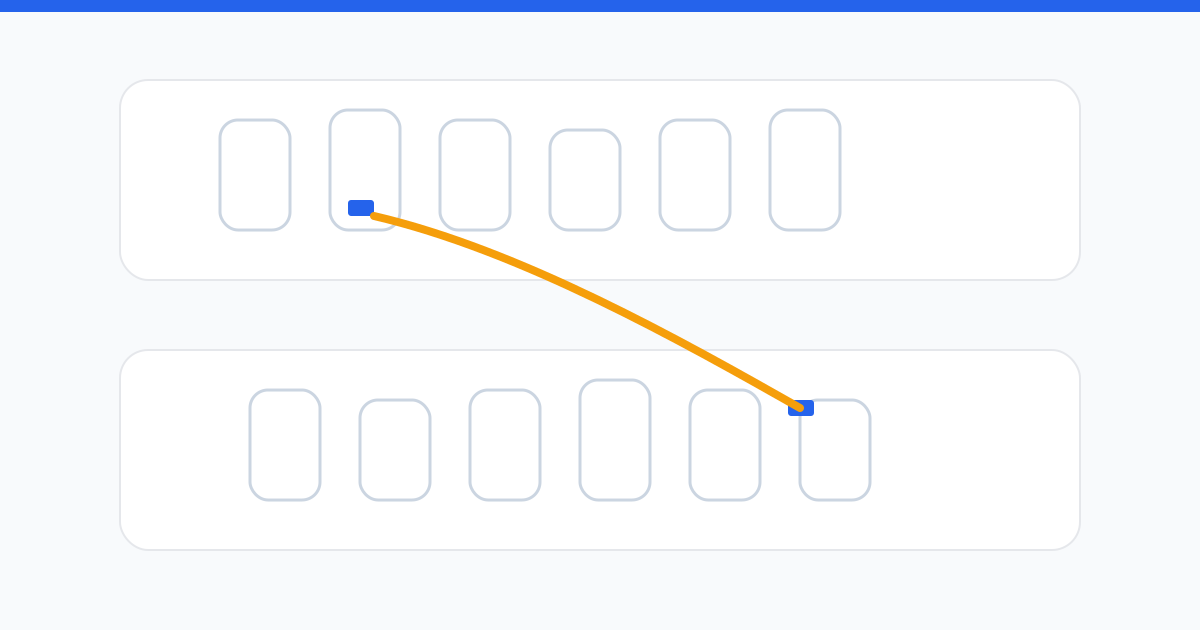
The short version
- Dental braces elastics are rubber bands your orthodontist prescribes. They are not the tiny ties that hold a wire in a bracket.
- Ask for a demonstration, write down the exact hooks, and use only the bands the clinic supplies or approves.
- The American Association of Orthodontists advises against extra bands. More force can harm teeth and jaws or slow movement.
- Call the clinic for a broken hook, a loose bracket, a band that cuts the gum, swelling, or a suspected allergy. Do not guess a new pattern.
This page is general information, not medical advice — consult a registered practitioner.
A small rubber band is easy to mix up once you are home, standing at a mirror, trying to remember which upper hook meets which lower hook. The wrong pattern, an extra band, or a damaged bracket is a reason to stop and check, not a reason to improvise. Dental braces elastics are prescribed bands that apply a specific force. Leave the appointment knowing where they attach, when you wear them, when you take them out, and what to do if one snaps.
Your orthodontist chooses the strength, the attachment pattern, the wear schedule, and how often you replace each band. Ask for a demonstration, write down the exact hooks, and use only the elastics the clinic supplies or approves. A diagram on the internet is not your prescription.
These bands sit on top of the brace itself. Braces options compared sets out metal, ceramic, lingual, and self-ligating braces. Conventional braces vs self-ligating braces is the separate question of how the archwire is held in the bracket.
What dental braces elastics are for
Orthodontic elastics, also called braces rubber bands, connect selected brackets, hooks, or other attachment points. The American Association of Orthodontists says they apply extra force in ways braces alone cannot. Hooks on selected upper and lower brackets are the usual attachment points. The pattern is chosen for your bite. A band may run from the upper jaw to the lower jaw, or between teeth in the same jaw.
These bands are different from the tiny elastic ligatures around individual brackets. Ligatures hold the archwire in a conventional bracket. Orthodontic elastics connect the points in your treatment plan. A self-ligating bracket can still need elastics between the jaws when the bite needs that force. The clip does not replace them.
A new patient might be shown a hook on an upper canine bracket and a hook on a lower molar bracket. That is an example of why the pattern has to come from the treating orthodontist. Copying someone else's photo can pull in the wrong direction. The force follows the hooks you were actually given.
What to settle before you leave the appointment
Before you accept new instructions, tell the team about discomfort, a loose bracket, a broken hook, a sharp wire, difficulty opening your mouth, or an allergy. The American Association of Orthodontists notes that some elastics contain latex, and that a known latex allergy should be mentioned so the clinic can consider a latex-free band. A damaged hook can change what you can wear until the clinic checks it.
Ask the team to demonstrate the pattern while you watch in a mirror. Confirm the wear schedule, whether you remove the bands for eating or brushing, how often you replace them, and what to do if one snaps. Ask for written instructions, or take a photo if the clinic allows it.
- Which upper and lower hooks should I use?
- When do I put the elastics in, and when do I take them out?
- How often do I replace each band?
- What should I do if a hook or bracket becomes loose?
- Which clinic number do I use for an appliance problem?
If the pattern is diagonal, write the sides exactly as demonstrated, such as upper left hook to lower right hook, and only if that is what you were shown. Do not reconstruct it from memory in the car park.
In Malaysia, ask whether the dentist adjusting the brace is registered with the Malaysian Dental Council. Clinics that list this work sit under Braces and Orthodontics.
How to put them in and take them out
Clean hands and a mirror make the first attempts easier. The American Association of Orthodontists advises washing your hands before putting elastics in or taking them out, removing them for eating or brushing, and putting fresh bands on afterwards. It also says elastics are single-use: if one falls out, use a fresh band rather than rinsing the old one and putting it back.
- Wash and dry your hands.
- Use a mirror and find the prescribed upper and lower hooks.
- Attach one clean elastic. Do not force it over a bracket or a damaged hook.
- Check that it sits on the points the clinic showed you.
- Remove it only as instructed, then use a fresh band on the schedule you were given.
Do not double the bands, change the hooks, or add elastics to speed treatment. The American Association of Orthodontists says wearing more elastics than prescribed puts excessive force on the teeth. That can cause severe discomfort, harm teeth and jaws, or slow tooth movement. It does not make the plan finish sooner. If you forget the pattern, pause and read the written instructions, or contact the clinic.
If one band is lost during the day, use a prescribed spare. Leave the other side at its normal strength. Store spares in a clean case, in a cool dry place, away from direct heat. The association says heat can weaken the elastic, and that bands lose stretch as they age, so replace them daily or as often as your orthodontist says.
Discomfort, and when to call
Pressure, mild tenderness, or jaw fatigue can happen when elastics are first prescribed or when the pattern changes. The American Association of Orthodontists says you may feel some discomfort at the start, while your mouth gets used to the bands. Severe, worsening, or persistent pain needs the orthodontic team. Do not change the wear schedule on your own to chase the pain.
Contact the clinic if:
- a hook is broken, a bracket is loose, or a band is cutting the gum;
- you have swelling, a suspected allergic reaction, or you cannot open or close your mouth in the usual way;
- you would have to force an elastic onto a damaged attachment.
Stop forcing the band onto a damaged hook. Keep the brace clean, and ask the clinic what to wear until they see you. Do not permanently stop a prescribed pattern without discussing it, unless you need to remove a band because of an urgent safety problem such as swelling that affects breathing or swallowing. That kind of swelling is a reason to call 999, as the urgent visits guide explains.
A loose lower hook is a concrete example. The next step is to stop forcing the band on, keep the appliance clean, and call the clinic. A poking wire can be covered temporarily with dental wax for braces while you arrange that call. Wax does not replace the elastic, and it does not repair the hook.
Frimley Health NHS Foundation Trust's patient information on fixed appliances says to contact the orthodontic team about severe pain that does not settle, a broken or loose bracket, band, or wire, or difficulty chewing because of the appliance. That leaflet is written for patients of a UK hospital, including a UK telephone number. Use your own clinic's number in Malaysia. The point that transfers is the list of problems worth a call, not the UK contact.
Cleaning and food while the bands are in
Elastic wear sits beside ordinary braces care. Brush around brackets and hooks, and clean between the teeth in the way the clinic shows you. The American Association of Orthodontists says to remove elastics for eating and brushing, then put fresh ones on. It also says to rinse with water after a sugary snack or drink, which clears sugar while you wait to brush. The rinse does not replace brushing around the brackets.
Hard, sticky, and very chewy foods can damage fixed appliances. Follow the food list your clinic gives you. The association's between-visit hygiene notes include avoiding foods that get stuck or break brackets, and calling when something is loose or broken.
Colour and brand can differ. Size and strength are part of the prescription. Do not substitute a different packet because it looks similar.
After a sugary drink at school or work, rinse with water, then brush when you can. Put a fresh prescribed band back on after brushing if that is what you were told to do.
A checklist to take home
Save these on your phone or on the clinic's sheet:
- The exact upper and lower hook pattern.
- The daily wear schedule, including sleep.
- The rules for eating and brushing.
- How often to replace a band, and the approved size.
- Cleaning and food instructions.
- What to do if a band snaps or you run out.
- How to contact the clinic about pain or a damaged bracket.
Keep spare prescribed elastics in a clean container. Arrange a review if you cannot wear the bands as directed, or if part of the brace is damaged.
When not to guess the pattern
General advice does not fit when the hooks are unclear or the brace has changed. Pause and contact the orthodontic team if:
- a hook or bracket is loose, broken, or missing;
- the band causes sharp pain, swelling, or a suspected allergic reaction;
- you cannot open or close your mouth normally;
- you have run out of the prescribed elastics;
- you are unsure whether to wear, remove, or replace a band.
To find a clinic that lists braces, open browse and a state page such as Kuala Lumpur, Selangor, Penang, or Johor. Read the profile, then call and ask who will show you the elastic pattern and what the first visit includes.
References
- Orthodontic Elastics — American Association of Orthodontists
- Oral Hygiene Tips During Orthodontic Treatment — American Association of Orthodontists
- Care of Fixed Orthodontic Appliances — Frimley Health NHS Foundation Trust
Common questions
Can I wear two dental braces elastics at once to make treatment faster?
No. The American Association of Orthodontists says extra elastics do not speed alignment. Extra force can cause severe discomfort and can harm the teeth and jaws, or slow tooth movement. Use only the number, strength, and pattern your orthodontist prescribed.
What should I do if I run out of orthodontic elastics?
Contact the orthodontic clinic for the prescribed bands rather than waiting for the next adjustment or buying a different size. The American Association of Orthodontists says to carry spares, because a band can break or get lost, and to get more from the clinic if you run out.
Can I sleep with dental braces elastics in?
Sleep wear depends on your prescription. Keep the bands in overnight only when your orthodontist has told you to. Take them out at night only when the clinic's written instructions say that is what you should do.
What if I forget which hooks the elastics use?
Stop and check the written pattern or the photo the clinic allowed you to take. If you still are not sure, call the clinic. A missed band is safer to clarify than a guessed pattern or a doubled band.
Find a clinic
Open a state or city page, read the profiles, and call the clinic to confirm hours and fees.
- Braces options compared
Metal, ceramic, lingual, and self-ligating braces, plus aligners, costs, and retainers.
- Conventional braces vs self-ligating braces
Elastic ties or a built-in clip, and what that changes at a visit.
- Dental wax for braces
A temporary cover for a bracket or wire that rubs.
- Braces
Clinics that list braces.
- Orthodontics
Clinics that list orthodontic treatment.
- Browse clinics by location
States and cities with dental clinic listings.
- Dental clinics in Kuala Lumpur
Listings across Kuala Lumpur.
- Dental clinics in Selangor
Listings in Petaling Jaya, Shah Alam, and other Selangor areas.
- Dental clinics in Penang
Listings in George Town and other Penang areas.
- Dental clinics in Johor
Listings in Johor Bahru and other Johor areas.
Related guides
Dental Wax for Braces: Questions New Patients Ask
How dental wax for braces covers a bracket or wire that rubs, how to apply it, and when to call the orthodontist instead of adding more wax.
6 min read
Braces Options Compared: Types, Costs, and Clinic Services
Compare braces types, Malaysia cost factors, aligners vs braces, clinic services, and retainers. Know what to ask before choosing treatment.
10 min read
Conventional Braces vs Self-Ligating Braces
Compare conventional braces vs self ligating: elastic ties or a clip, visits, cleaning, appearance, and cost factors. Questions for an orthodontist.
7 min read