
Teeth Retainer: Types, Wear, and What to Do If It Breaks
What a teeth retainer does after braces or aligners, how Hawley, clear and bonded retainers differ, and how to find a Malaysian clinic to make or replace one.
Published Updated 12 min read
The short version
- A teeth retainer holds teeth in the position they reached after braces or aligners. Your orthodontist chooses the type and the wear schedule.
- Removable retainers include Hawley retainers and clear retainers, also called Essix or vacuum-formed retainers. Fixed retainers are wires bonded to the teeth.
- The Malaysian Association of Orthodontists describes one common removable-retainer regime. It is an example. The orthodontist who treated you sets the instructions for your case.
- If a retainer cracks, comes unstuck, or no longer seats, contact the clinic. Do not force it on. Ask for the replacement fee in writing.
This page is general information, not medical advice — consult a registered practitioner.
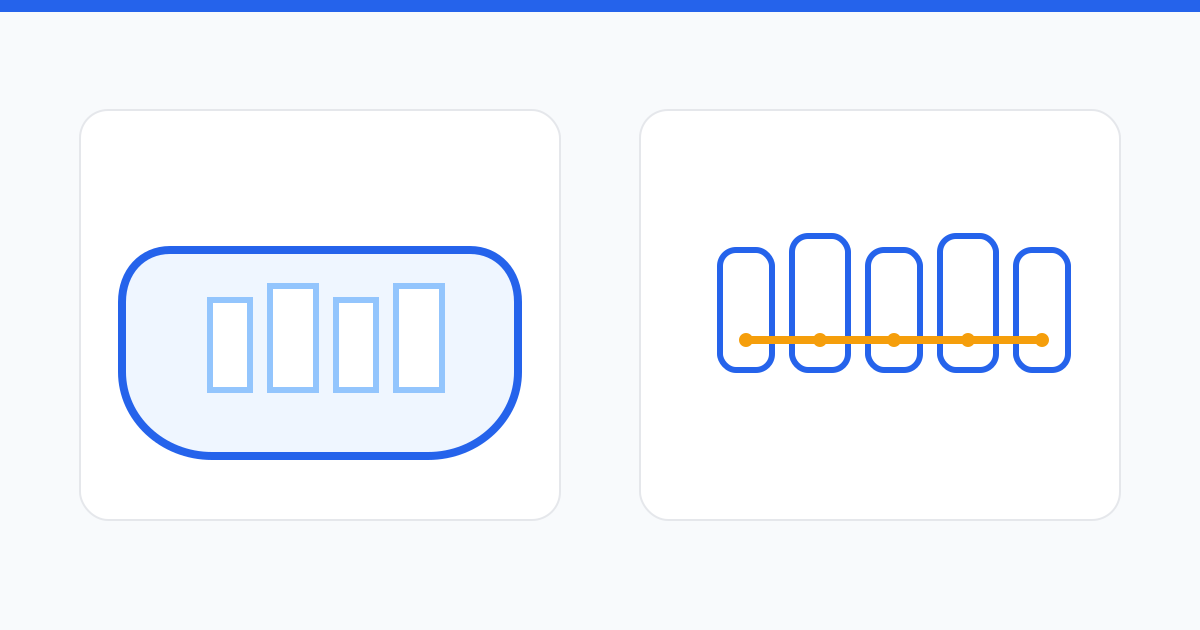
A teeth retainer is the appliance that comes after the moving part of treatment. Braces and aligners shift teeth. A retainer is made to hold the position those teeth have reached. Retainers after braces, and retainers after aligners, are part of the same idea: without something to hold them, teeth can move back.
This page is general information about the types you will hear named, why clinics prescribe them, and what to ask when one is made or replaced in Malaysia. It is not a wear schedule for your mouth. Your orthodontist will advise which retainer you need and when you wear it.
If you are still comparing appliances, start with braces options compared. Conventional braces vs self-ligating braces is the separate question of how a bracket holds the wire. Dental braces elastics and dental wax for braces belong to active treatment, while the brace is still on.
What a teeth retainer is
The British Orthodontic Society says retainers are fitted at the end of orthodontic treatment, after the braces are removed, and that they are essential in almost all cases to help prevent the teeth moving. They can be removable, or fixed onto the teeth. The American Association of Orthodontists describes a retainer as a custom-fitted appliance that holds teeth after active treatment with braces or aligners, made from impressions or scans of that person's mouth.
The Malaysian Association of Orthodontists describes the purpose in the same plain terms: retainers hold the teeth and reduce the chance they move back towards the original position, which it calls relapse. Teeth and gums need time to settle. The association also says that, because of growth and ageing, no one can guarantee that straight teeth stay straight later in life, whether or not someone has had orthodontic treatment. Long-term retainer wear is the method it names for keeping the position.
A retainer is not a brace, and it is not an aligner tray used to make new movements. If a tooth needs to be moved again, that is a new assessment, not a reason to bend a wire or bite a tray into place.
Removable and fixed retainers
The British Orthodontic Society describes three common types: a vacuum-formed retainer, a bonded retainer, and a Hawley retainer. The American Association of Orthodontists uses the same grouping and calls the clear plastic type an Essix retainer. Your orthodontist will advise which of these, or which combination, fits the result they are trying to keep.
| Feature | Hawley retainer | Clear retainer (Essix or vacuum-formed) | Fixed or bonded retainer |
|---|---|---|---|
| What it is | A removable acrylic base with a metal wire across the front teeth | A removable clear tray moulded to the teeth | A wire bonded to the inside of the teeth |
| How you wear it | You put it in and take it out on the schedule you were given | You put it in and take it out on the schedule you were given | It stays in place until a dentist or orthodontist removes or repairs it |
| What published advice highlights | It may affect speech slightly at first | Do not eat or drink while it is in place | Clean around the wire, and get a loose wire checked promptly |
A Hawley retainer has a plastic section that sits in the palate or behind the lower front teeth, and a thin metal wire across the front teeth. The British Orthodontic Society says speech may be affected slightly at first and usually improves with time. The American Association of Orthodontists describes the base as acrylic, with wires and clasps, and notes that the plastic can be a standard pink or another colour the clinic offers.
A clear retainer is a transparent tray. The British Orthodontic Society calls this a vacuum-formed retainer and says it is usually worn part-time, that you must not eat or drink with it in place, and that it grips firmly at first. The American Association of Orthodontists describes Essix retainers as a transparent, plastic-like material moulded from the teeth, resembling clear aligners. Its care notes say coloured or sugary drinks can sit against the teeth if a clear retainer is worn while you drink them, and that water is the drink it treats differently. Follow the instruction sheet for the tray you were given.
A fixed retainer, also called a bonded retainer, is a wire stuck to the teeth, usually hidden on the inside. The British Orthodontic Society says you do not have to remember to insert it, because it is there full-time, but you do have to spend extra time cleaning around it, and you should seek advice if it gets loose. The Malaysian Association of Orthodontists says an interdental brush helps clean the tooth surfaces around a bonded wire, and that a wire which detaches, partly or fully, should be checked at the clinic as soon as possible. The American Association of Orthodontists notes that a fixed retainer can still break or come unstuck, and that the same hard or sticky foods that damage braces can damage the wire. "Permanent" is a nickname, not a promise that the glue lasts forever.
Some plans use a bonded wire on one arch and a removable retainer on the other. The American Association of Orthodontists says a combination is common, including a removable retainer for the upper teeth when a fixed wire is used on the lower teeth. That is a description of practice, not a design you should copy.
Why retainers are used after braces or aligners
During braces or aligners, a wire or a series of trays applies force. When that force stops, the teeth are not locked in place by the fact that treatment has finished. The British Orthodontic Society gives two reasons retainers are worn: teeth tend to move back towards where they started, and teeth can also move unpredictably with age, often with more crowding. It says the longer retainers are worn, the longer the teeth can be kept straight.
The American Association of Orthodontists says retainers hold teeth while bone rebuilds around them, and that biting, chewing, swallowing, and speaking still put pressure on teeth afterwards. It says wearing retainers as directed is the method it recommends to limit that shift, and that a retainer only works when it is in the mouth.
The same point applies after clear aligners. Active aligner wear is the moving stage. Retention is the holding stage. Clinics that list aligners on this directory appear under Invisalign. Ask that clinic what happens on the day the last aligner comes out, and whether the retainer is a separate fee.
Braces options compared already says retainers after braces belong in the original plan. Ask for them on the written quotation before treatment starts, including what happens if a removable retainer is lost.
How long and how often to wear one
There is no single timetable on this page, because the published descriptions do not match each other word for word, and none of them has examined you. Your orthodontist will advise.
The Malaysian Association of Orthodontists publishes this as a common regime for removable retainers, and says the orthodontist advises the best option for the case:
- 6 months of full-time wear.
- 6 months of part-time wear, for example at night only.
- After that, a few nights each week, for as long as you want the teeth to stay straight.
It also says that some problems need indefinite wear if you want to keep the result, either with a removable retainer or with a fixed wire.
The American Association of Orthodontists describes a different general pattern: full-time wear for a few months, then nights, and it says continuing night wear indefinitely is what it recommends if the aim is to stop teeth shifting. The British Orthodontic Society says each type has its own instructions, and that you should follow the instructions for your particular retainer so the teeth are less likely to relapse and the retainer is less likely to damage teeth or gums.
Treat those paragraphs as background for the conversation. Write down the hours, the nights, and the review dates your own clinic gives you. If two clinics describe different schedules, that is a question to ask them, not a reason to average the numbers yourself.
Cleaning and care
The Malaysian Association of Orthodontists tells removable-retainer wearers to:
- wear them as the orthodontist instructed;
- take them out for eating, contact sports, toothbrushing, and swimming, and any time they could be damaged;
- keep them in a secure container when they are out of the mouth, before they go into a bag or a pocket;
- clean the retainers when you brush your teeth.
For a fixed wire, it says to care for the teeth as you did with braces, including brushing and softer foods, and to use an interdental brush around the wire.
The American Association of Orthodontists says a removable retainer should live in its case when it is not being worn. A napkin is easy to throw away. A pocket or a hot car can damage the appliance. Very hot water and harsh chemicals can warp or damage the material. Its pages also describe more than one cleaning method, including a toothbrush with toothpaste and, elsewhere, a toothbrush with a small amount of mild soap, plus a soak in a product the orthodontist recommends. Because those instructions differ, use the written method from the clinic that made your retainer. Do not boil it.
The British Orthodontic Society says you must not eat or drink with a vacuum-formed retainer in place. If your clear retainer's instructions differ, the sheet from your clinic is the one to follow.
Keep seeing a dentist for ordinary check-ups while you are in retention. A retainer visit does not replace an examination for decay or gum disease. The Malaysian Association of Orthodontists lists relapse from insufficient retainer wear among the risks it asks orthodontists to explain before treatment.
If it breaks, is lost, or no longer fits
Contact the clinic rather than waiting for the next routine review. The Malaysian Association of Orthodontists says a fixed retainer that has come loose, partly or fully, should be checked as soon as possible. The American Association of Orthodontists says that if you do not wear a removable retainer as prescribed, teeth may move far enough that the retainer no longer fits, and that more treatment may then be needed. It also says to call straight away if a retainer is lost, malformed, or damaged.
A tight feeling is not automatically the same as a retainer that does not fit. The American Association of Orthodontists says a retainer that feels a little snug, still seats fully, and does not cause significant pain can still be worn. It says not to force a retainer that will not sit completely, causes significant or sharp pain, looks warped or cracked, or has to be pushed or bitten into place. Forcing it does not show whether the teeth have moved or the plastic has distorted.
Until you are seen:
- Stop if the retainer will not seat with ordinary gentle pressure.
- Keep a broken piece, and keep a removable retainer in its case if you can still hold it safely.
- Do not bend a bonded wire or glue it back with a household product.
- If a wire end rubs while you wait, ask the clinic before you cover it. Dental wax for braces is for a bracket or wire on an active brace, and only as that guide describes.
- Call the clinic and describe whether the appliance is lost, cracked, or loose.
Swelling that makes breathing or swallowing difficult is an emergency. Call 999 or go to a hospital emergency department, as the urgent visits guide explains.
What the fee depends on
This directory does not publish a Malaysian price for a teeth retainer. The Malaysian Association of Orthodontists says orthodontic fees vary from patient to patient, usually with the complexity of treatment and the materials used, and that the orthodontist discusses the fee before treatment starts. A retainer can be part of that plan or a later charge. Ask in writing:
- whether retainers after braces or aligners are included, and for which teeth;
- whether the plan is a Hawley retainer, a clear retainer, a bonded wire, or more than one of these;
- what a lost, broken, or ill-fitting replacement includes, such as a new impression or scan;
- how many review visits are included, and for how long;
- who to call if the retainer fails between those visits.
Two quotations can name the same word, "retainer", and still cover different appliances. Compare the written scope. The complete guide to finding and comparing a dental clinic explains how to read a listing and ask what a fee includes.
How to find a clinic to make or replace one
A new retainer, or a replacement, needs a dentist or orthodontist who can examine the teeth and take records. Dental Clinics Malaysia lists clinics and dentists. It does not make appliances and it does not book the visit for you.
Open browse and choose a state you can return to for reviews, such as Kuala Lumpur, Selangor, Penang, or Johor. On each profile, check whether orthodontics, braces, or aligners are listed, then phone and ask who will see you. If your original clinic still holds the records, starting there avoids repeating work. If it has closed, or you have moved, take any old retainer, photos, and previous letters to the new appointment.
The Oral Health Programme describes the Malaysian Dental Council as registering dental practitioners and maintaining the Malaysian Dental Register. Ask for the name of the dentist or orthodontist and check that registration. The Malaysian Association of Orthodontists describes an orthodontist as a specialist who has completed at least three years of full-time postgraduate training and holds a qualification recognised by the Ministry of Health or the Ministry of Education. A listing that says "braces" is a place to start the phone call. It is not proof of specialist registration.
References
- Orthodontic retention, Malaysian Association of Orthodontists
- Retainers, British Orthodontic Society
- Retainer care, American Association of Orthodontists
- What are dental retainers?, American Association of Orthodontists
- What it means when your retainer feels tight, American Association of Orthodontists
- Malaysian Dental Council, Oral Health Programme, Ministry of Health Malaysia
Common questions
Are retainers after braces always the same type?
No. The British Orthodontic Society says retainers can be removable or fixed, and that your orthodontist explains which one fits you. Some people are asked to wear more than one type. A clear tray, a Hawley retainer, and a bonded wire are different appliances.
How long do you wear a teeth retainer?
Your orthodontist will advise. The Malaysian Association of Orthodontists describes a common removable regime of full-time wear, then night-time wear, then a few nights a week for as long as you want the teeth to stay straight, and says some people need indefinite wear. The American Association of Orthodontists describes full-time wear for a few months, then nights. Those are published descriptions, not a timetable for your mouth.
What should I do if my retainer breaks or no longer fits?
Stop forcing it and contact the clinic that made it, or another registered dentist or orthodontist if that clinic is closed. The American Association of Orthodontists says a retainer that will not fully seat, causes significant pain, or looks warped should not be forced on. A fixed wire that comes loose should be checked promptly, as the Malaysian Association of Orthodontists advises.
Where can I get a teeth retainer made or replaced in Malaysia?
Open browse and a state page such as Kuala Lumpur or Selangor. Filter by clinics that list orthodontics or braces, then call and ask who will take the records and what the written fee includes. Braces options compared explains how retainers sit in a braces quotation.
Find a clinic
Open a state or city page, read the profiles, and call the clinic to confirm hours and fees.
- Braces options compared
Metal, ceramic, lingual, and self-ligating braces, plus aligners, costs, and retainers.
- Conventional braces vs self-ligating braces
Elastic ties or a built-in clip, and what that changes at a visit.
- Dental braces elastics
Rubber bands an orthodontist prescribes during active treatment.
- Dental wax for braces
A temporary cover for a bracket or wire that rubs.
- Orthodontics
Clinics that list orthodontic treatment.
- Braces
Clinics that list braces.
- Invisalign
Clinics that list clear aligners.
- Browse clinics by location
States and cities with dental clinic listings.
- Dental clinics in Kuala Lumpur
Listings across Kuala Lumpur.
- Dental clinics in Selangor
Listings in Petaling Jaya, Shah Alam, and other Selangor areas.
- Dental clinics in Penang
Listings in George Town and other Penang areas.
- Dental clinics in Johor
Listings in Johor Bahru and other Johor areas.
Related guides
Braces Options Compared: Types, Costs, and Clinic Services
Compare braces types, Malaysia cost factors, aligners vs braces, clinic services, and retainers. Know what to ask before choosing treatment.
11 min read
Conventional Braces vs Self-Ligating Braces
Compare conventional braces vs self ligating: elastic ties or a clip, visits, cleaning, appearance, and cost factors. Questions for an orthodontist.
7 min read
Dental Braces Elastics: What to Know Before Your Appointment
How dental braces elastics add force to a brace, how to wear the pattern your orthodontist shows you, and when to call the clinic.
8 min read
Dental Wax for Braces: Questions New Patients Ask
How dental wax for braces covers a bracket or wire that rubs, how to apply it, and when to call the orthodontist instead of adding more wax.
6 min read